GitHub is a global software development platform. It empowers developers to remotely host & collaborate on projects. This connects teams from various locations & collectively codes or manages their next software installment. Here are some of thei…
Devops Software covers the tools teams use to measure how visitors and customers interact with their websites and products — from page-level traffic and conversions to event-level user journeys. Below, every tool is ranked by verified buyers who actually pay for them. No sponsored slots in the rankings.
GitHub is a global software development platform. It empowers developers to remotely host & collaborate on projects. This connects teams from various locations & collectively codes or manages their next software installment. Here are some of thei…
Looking for an open-source platform to create your desired software? Well, SourceForge is just that. They cater to all genres of package development. Whether you’re seeking financial/accounting, CAD, CRM, entertainment, e-commerce they have it all. Sourc…
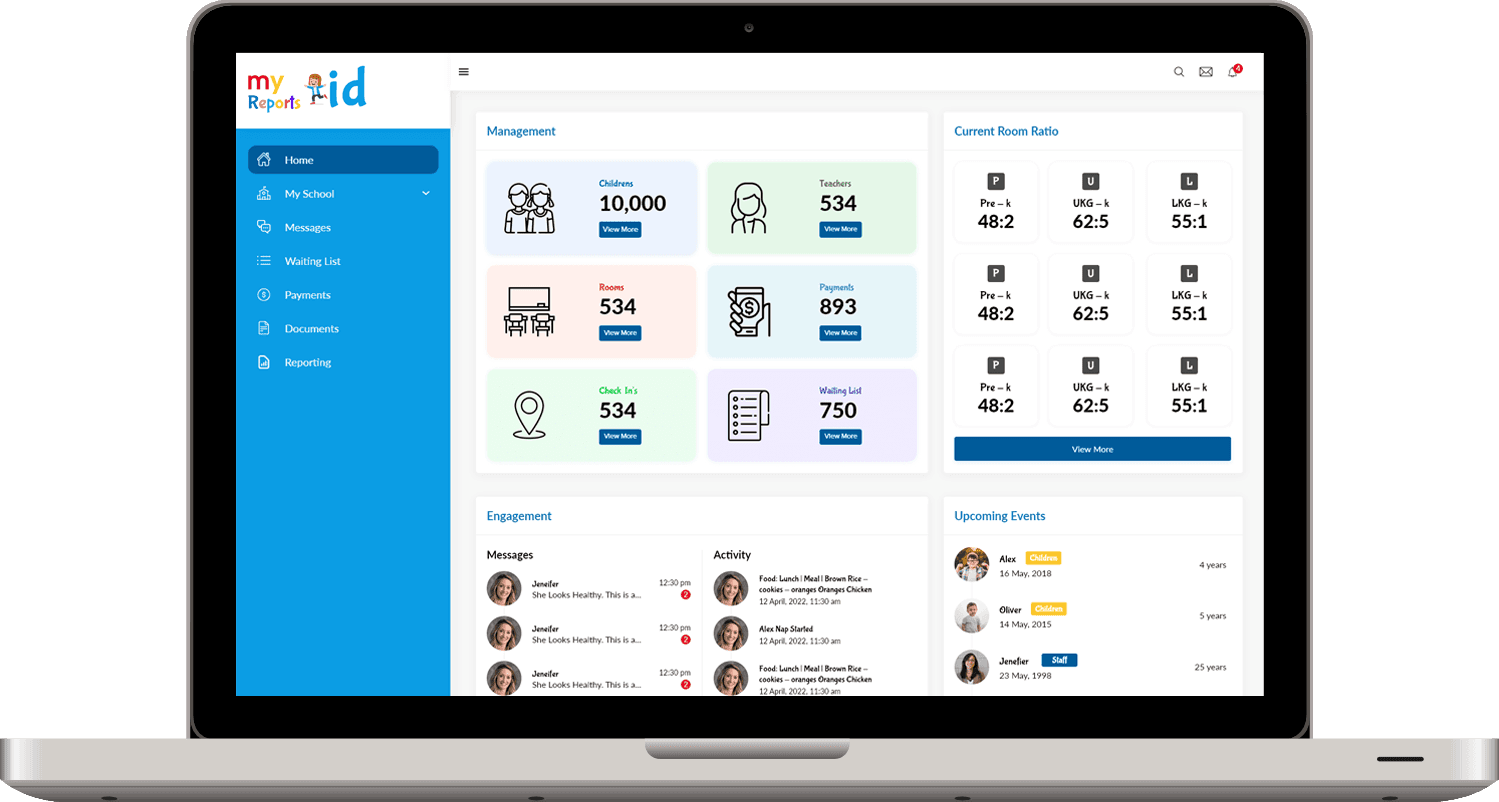
MyKidReports offers a comprehensive childcare management software designed specifically for preschools. This innovative solution automates daycare activities, enhances operational efficiency, and facilitates increased student enrollment with improved pro…
Choosing the right Devops Software software in 2026 is harder than it's ever been. Most vendors claim to do everything. This guide breaks down what you actually need and what to look for so you don't end up paying for shelfware.
Devops Software software covers the tools teams use to measure and optimize how visitors and customers interact with their websites and products.
Common questions buyers ask about this category.
DevOps is a term that has been growing in popularity over the past few years, but it's not always clear what you should do when implementing DevOps. DevOps is a type of software that combines the best aspects of traditional development and operation. It provides an integrated solution to help companies manage their infrastructure in an efficient way while also increasing productivity, lowering costs for operations teams through automation tools like automated builds or continuous integration which can run on different types of devices without human intervention as well providing secure connections between applications with increased security features such all-around visibility into how they are being used at any given time - whether it is during production hours or not!
DevOps is the best way to deliver a product with higher quality, speed, and reliability. With this approach, you can significantly reduce your response times while maintaining availability for any unexpected events or problems in an increasingly complex environment. You will be able to support more users at once using automation tools that allow them to work on different tasks simultaneously without disrupting each other's workflow; all of which leads us to better resource utilization overall since staff won't have as many time-consuming upfront tasks they need complete before being productive again
The answer to this question may surprise you. DevOps is a practice that was created for the purposes of uniting software developers and IT specialists in an effort towards smoother workflows, better collaboration between both groups on projects across boundaries through automation tools which can save time while also freeing resources up by making processes more efficient so they're able to provide feedback about what needs improvement or where things aren't working as planned; all without sacrificing quality! Who uses it nowadays? Almost anyone with access from one side (development) to another. (operations).
The practice of DevOps has changed the way businesses deliver their product. By encouraging faster, better, and more secure delivery of business value to end customers this process can be made easier for both developers as well as IT professionals who are aiding them in putting together these updates or features. DevOps software is a powerful tool for accelerating the delivery of new features, improving application quality and performance. Some common benefits include increased automation across teams resulting in faster deployment cycles with less time spent waiting on manual tasks like configuration management or testing; more robust pipelines to handle large amounts of data processing at scale while also integrating tools such as continuous integration practices into the development process.
When considering what DevOps software to buy, there are a few things that should be taken into account. Firstly the license and cost of ownership for each solution as well as their scalability in terms of the number of nodes it can support will all depend on your needs but also if you want them to be managed by someone else or not; how long do they last before outgoing newer versions? Do these programs work across operating systems -a big one nowadays because everyone uses some flavor lately! And finally which developer community does this product come from: something like Kubernetes might need its own ecosystem built around it while other technologies don’t require anything extra just provide basic building blocks.
Submit free. Verified vendor badge, claim your reviews, and drive qualified buyers with measurable affiliate links — no pay-to-play in the rankings